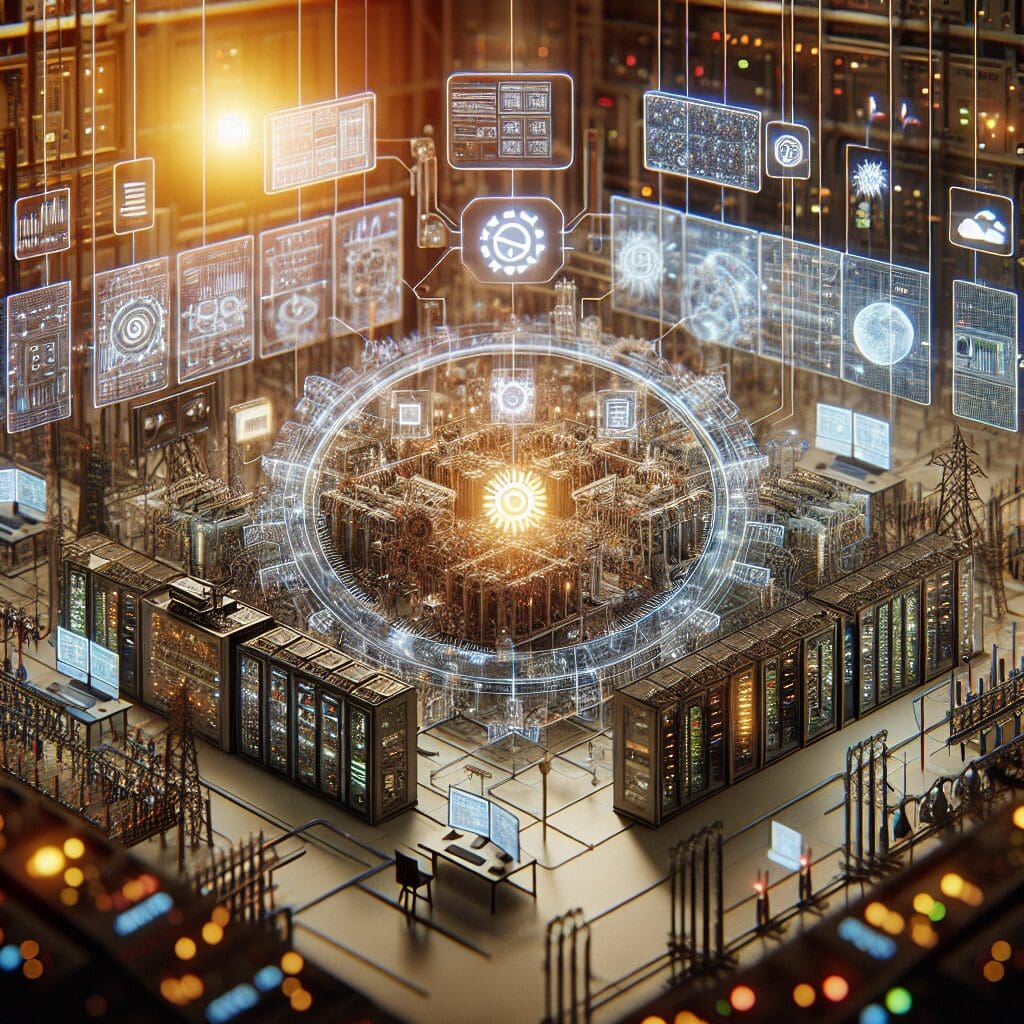
Artificial Intelligence (AI) is rapidly transforming the way energy is produced, managed, and delivered. Nowhere is this more apparent than in the optimization of energy grids, where AI’s advanced data processing and decision-making capabilities are unlocking new levels of efficiency, stability, and sustainability. As energy demand grows and societies shift toward clean power sources, AI for energy grid optimization stands at the center of a revolution—reshaping how we generate, store, and consume electricity.
AI for Energy Grid Optimization: The Next Power Revolution
The modern energy grid is a marvel of engineering—one tasked with balancing a complex interplay of energy generation, storage, distribution, and consumption. However, with the rise of renewable resources like wind and solar and the explosion of distributed energy assets (such as home solar panels and electric vehicles), this balancing act has grown exponentially more complex. This is where AI technologies are stepping in, offering groundbreaking solutions that propel the grid into a smarter, cleaner, and more resilient future.
Let’s break down exactly how AI is powering this evolution and what it means for the energy sector—and our everyday lives.
Optimizing Energy Production: Predicting and Adapting in Real Time
Traditionally, energy production has relied on forecasts and schedules that leave little room for real-time adaptation, especially in systems dominated by variable sources like solar or wind. AI is changing the game:
- Advanced Forecasting: By analyzing enormous data streams—weather patterns, historical consumption, and equipment performance—AI models can accurately predict energy demand and generation capacity. These forecasts provide grid operators with actionable intelligence to optimize when and how much electricity to generate from various sources.
- Dynamic Production Adjustment: AI not only anticipates demand; it also enables systems to adjust outputs moment-to-moment. For instance, AI can control the tilt of photovoltaic panels or the angle of wind turbine blades to maximize generation, even as conditions change. In conventional plants, AI algorithms pinpoint the most efficient operating parameters, reducing waste and emissions.
This dynamic, data-driven approach allows for better integration of renewables without sacrificing reliability, which is essential as the world races toward net-zero emissions goals.
Enhancing Grid Management: Keeping the Lights On and the System Steady
Energy grids must remain balanced at every second—too little power causes blackouts, while too much can damage equipment. As more renewables come online and demand fluctuates unpredictably, this balance becomes harder to maintain. AI is uniquely equipped to manage these challenges:
- Real-Time Monitoring and Automated Response: Sensors across the grid stream massive amounts of data, which AI systems can interpret instantly. When fluctuations or faults occur, AI can automatically redirect power or modulate supply, keeping the grid stable and robust.
- Managing Grid Complexity: With distributed solar installations, electric vehicle charging, and microgrids feeding energy back into the main network, the grid has become a web of interactions. AI enables operators to monitor and coordinate these flows through automation, minimizing the risk of overloads and improving response times.
By enhancing both oversight and control, AI ensures that the grid can adapt to rapid changes—including the surges in demand that come with increasingly electrified economies.
AI in Energy Storage and Distribution: Balancing Supply and Demand
The future energy grid is not just about producing clean power; it’s about storing it efficiently and distributing it intelligently:
- Smart Storage Management: AI predicts when to store surplus renewable energy and when to release it back into the grid based on projected demand, supply, and market prices. By optimizing charge and discharge cycles for batteries and other storage technologies, AI prevents energy waste and improves the economic viability of renewables.
- Empowering Microgrids and Distributed Resources: As more homes, businesses, and communities install their own solar panels or wind turbines, local microgrids are becoming increasingly important. AI enables these microgrids to operate semi-independently, sharing or drawing power when it makes economic or technical sense, and reducing the burden on central utilities.
This intelligent matching of supply and demand ensures consistent power availability, even as traditional consumption patterns evolve.
Proactive, Real-Time Control with Generative AI
The next generation of AI models, particularly generative AI, is taking grid optimization to new heights:
- Proactive Decision Support: Generative AI can simulate thousands of scenarios in real time, preparing operators for everything from routine peaks in demand to unexpected emergencies. This ability to “predict and prepare” in milliseconds is invaluable for managing an increasingly dynamic energy landscape.
- Predictive Control: Rather than just reacting to issues as they arise, generative AI systems forecast potential disruptions in advance and recommend preemptive actions. This shifts grid management from reactive to proactive, vastly improving reliability and efficiency.
As these technologies mature, operators will be empowered to handle complexities that were previously unimaginable, from orchestrating gigawatt-scale storage to integrating grids that run entirely on renewables.
Strengthening Cyber and Hazard Resilience
As the grid becomes more digital and interconnected, new vulnerabilities emerge, especially to cyber-attacks and physical hazards:
- Advanced Security Monitoring: AI continuously scans grid infrastructure for anomalies or suspicious activities, flagging and countering potential cyber threats before they can disrupt operations.
- Hazard Forecasting and Response: Beyond cyber risks, AI can predict natural hazards—like storms, heatwaves, or wildfires—that might put the grid at risk. AI-driven responses help minimize damage and speed recovery, protecting communities and essential services.
By bolstering both cyber and physical resilience, AI not only improves operational continuity but also ensures access to affordable and reliable energy across diverse regions.
Planning the Clean Energy Transition: AI as the Architect of Tomorrow’s Grids
Looking ahead, governments and utilities worldwide are committing to transition toward 100% clean electricity systems—often within the next decade:
- High-Fidelity Scenario Modeling: AI can model complex future energy systems with millions of variables and uncertainties, helping planners test different investment strategies and technology mixes.
- Stochastic Optimization: Unlike traditional methods, which assume perfect foresight, AI applies stochastic techniques to account for randomness in weather, demand, and equipment performance, ensuring that strategies hold up under real-world conditions.
- Supporting Policy and Investment: By providing detailed insights and analytics, AI informs better policymaking and investment decisions, ensuring that resources are allocated efficiently in the rush toward renewables.
This makes AI indispensable not just for operating today’s grids but for architecting the clean, resilient systems of tomorrow.
Industry Insights: Market Growth and Sustainability Challenges
As the energy sector embraces AI for grid optimization, two key industry trends are shaping its future: rapid market growth and the need for greater efficiency in AI itself.
AI’s Electricity Demand: Double-Edged Sword
While AI is helping optimize energy grids, its own energy consumption is surging. AI systems—especially massive data centers used for model training and deployment—are projected to use up to 9% of all U.S. electricity by 2030. To put that in perspective, this could equal the energy currently used by 20 to 40 percent of today’s electric vehicles.
This growing demand poses several challenges:
- Sustainability Pressures: If unchecked, the energy requirements of AI could offset some of the gains from AI-driven grid optimization. There is an urgent need for innovations that make data centers and AI workloads more energy efficient.
- Rising Costs and Grid Strain: As AI data centers grow in number and size, they may put additional stress on power infrastructure, especially in regions already facing supply constraints. Grid-aware computing and the development of new energy usage metrics are crucial to balance this demand.
- Need for AI-Specific Metrics: Traditional measures of data center efficiency do not capture the unique workload patterns of modern AI applications. Industry leaders are developing AI-aware metrics and optimization tools that can adaptively manage energy consumption at the hardware and software level.
Thus, while AI offers powerful tools for energy efficiency, it must also evolve to minimize its own environmental impact.
Explosive Market Growth and Investment
The economic potential of AI in the energy sector is clear. Industry forecasts project the AI in energy market to reach nearly $59 billion by 2030, expanding at an impressive 36.9% compound annual growth rate. This surge is fueled by:
- Growing Complexity of Renewable Integration: As grids shift toward solar, wind, and distributed assets, AI-enabled tools are viewed as essential for real-time management and predictive maintenance.
- Pressure to Cut Costs and Carbon: Utilities and businesses are adopting AI to optimize asset use, extend equipment life, and reduce emissions, all of which contribute to lower operating costs.
- Digital Transformation of Utilities: Utilities are in the midst of digital transformation, and investments in AI and machine learning are a high priority for enhancing both operational efficiency and resilience.
The demand for AI-ready infrastructure and skilled professionals is likely to keep rising, creating new opportunities in both technology and energy sectors.
High-Profile Research and Deployment
Organizations like the International Energy Agency and the National Renewable Energy Laboratory are at the forefront of research into AI’s role in grid innovation. For example, the National Renewable Energy Laboratory is using generative AI to:
- Develop advanced tools for rapid scenario modeling and system operations
- Provide predictive analytics for renewable-heavy grid management
- Support large-scale planning for future 100% clean electricity systems
This ongoing research not only advances the technical frontier but also supports utilities, policymakers, and technology vendors in making smart, data-driven choices.
Practical Takeaways and Actionable Advice
The integration of AI into energy grid optimization is no longer a distant vision—it is happening now, with tangible benefits and recognizable challenges. Whether you are an industry professional, policy maker, investor, or simply a curious observer, here are some practical steps and insights:
-
For Utilities and Grid Operators:
Prioritize investments in AI technologies that enable real-time monitoring, dynamic control, and advanced forecasting. Start with pilot projects that deliver fast returns, such as predictive maintenance or automated demand response. Collaborate with technology partners to ensure security and resilience are built into every solution. -
For Policymakers:
Support the development of AI-specific energy efficiency standards and metrics. Incentivize public-private research into energy-smart AI infrastructure and promote collaborations that accelerate clean grid innovation and workforce development. -
For Technology Vendors:
Focus on creating AI tools that are both powerful and energy efficient. Offer solutions that deliver transparent, explainable results to earn trust among grid operators and regulatory bodies—especially as policy and investment scrutiny increases. -
For Businesses and Investors:
Monitor advances in AI-driven grid optimization, especially as the market rapidly expands. Invest in companies that are building both AI tools for energy and energy-efficient AI infrastructure, as both are likely to become central to long-term success. -
For Consumers and Developers:
Be aware that the way you use electricity increasingly interacts with AI systems, from smart thermostats to electric vehicle charging. Advocate for and adopt energy management products that leverage AI to optimize usage and reduce costs.
The Future is Bright: Smarter, Greener, and More Resilient Grids
As our societies become ever more dependent on electricity, the stakes for grid stability, efficiency, and sustainability have never been higher. AI for energy grid optimization emerges as a linchpin technology in this transformation—enabling the flexible, reliable, and low-carbon power systems essential for modern life and a sustainable future.
However, to fully reap these benefits, the industry must also address the new challenges posed by AI’s own electricity usage, cyber-security risks, and the need for skilled professionals to design and operate these complex systems. Ongoing research, smart policy, and public-private collaboration will be key in ensuring that AI remains a force for good in the global energy landscape.
Are you intrigued by the latest breakthroughs in AI and their impact across industries? Dive deeper into the incredible world of artificial intelligence by exploring our central hub of related articles on AI Applications. Discover how innovation is reshaping not just energy, but every corner of our economy and society.
AI is not just the future of the energy grid—it is transforming the present, powering a new era of smarter, greener, more resilient energy systems. Stay informed, stay engaged, and be part of this revolution.