AI in Automotive Manufacturing: Unleashing a New Era of Efficiency and Innovation
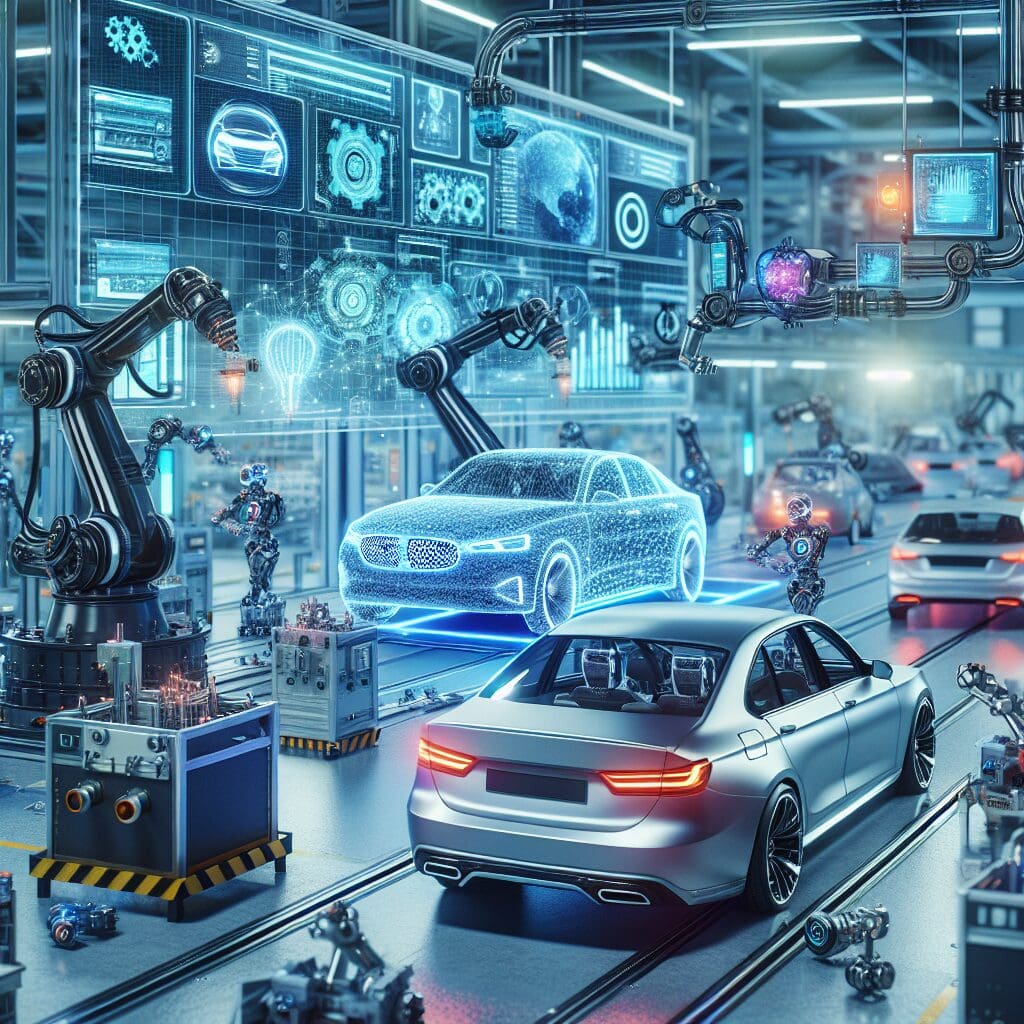
The automotive manufacturing industry stands on the brink of a revolution, led by the rapid integration of AI technology. AI in automotive manufacturing is no longer a futuristic concept, but a present-day reality responsible for powering smart factories, optimizing production, reducing costs, and ushering in a wave of innovation across every stage of the automotive value chain. As leading automakers adopt AI solutions at an unprecedented pace, understanding the transformative impact of these technologies is crucial for industry professionals, technology enthusiasts, and business strategists alike.
The Rapid Growth of AI in the Automotive Sector
AI technology is fundamentally transforming manufacturing, and the automotive industry has emerged as one of its most enthusiastic adopters. Market forecasts underscore this explosive growth: The AI in automotive market is set to soar from $4.8 billion in 2024 to an astounding $186.4 billion by 2034. This represents not just a substantial financial investment, but also a significant shift in operational priorities and business models. Experts predict that the adoption of AI throughout the manufacturing sector will reach $8.57 billion by 2025, rising from $5.94 billion in 2024 at a remarkable CAGR of 44.2 percent.
What does this mean in practical terms for the automotive industry? AI is delivering measurable business outcomes: automated processes reduce production costs by 15 to 20 percent and boost product quality, while enhanced demand forecasting can improve accuracy by up to 40 percent compared to traditional methods. These improvements help automakers respond to shifting customer demand, supply chain volatility, and market pressures with unmatched agility and confidence.
Core Applications: How AI is Reshaping Automotive Manufacturing
Let’s explore the leading-edge applications where AI is bringing authentic change to automotive manufacturing.
Building Smart Factories
The vision for the factory of the future is no longer a distant aspiration. Thanks to AI-powered robotics, computer vision, and advanced machine learning models, automotive manufacturers are building highly autonomous “smart factories.” In these environments, machinery and systems communicate, self-optimize, and adapt to dynamic production requirements in real time.
Consider Tesla’s Gigafactories, which deploy reinforcement learning algorithms to orchestrate manufacturing processes. By enabling robotic equipment to learn from experience and iteratively enhance their performance, these factories have reduced production times by 30 percent compared to traditional assembly lines. This level of automation not only increases throughput but also allows manufacturers to quickly adjust to new vehicle models, changing market trends, or supply chain disruptions.
Predictive Maintenance: Minimizing Downtime, Maximizing Value
Unplanned machinery breakdowns can bring automotive production lines to a screeching halt, incurring huge costs in repairs and lost productivity. AI-powered predictive maintenance offers a powerful solution: by analyzing real-time sensor data from production equipment, AI models can forecast when machines are likely to experience failures and trigger proactive maintenance actions before issues escalate.
BMW has embraced this approach in its factories, deploying AI-driven predictive maintenance systems that have reduced unplanned downtime by an impressive 38 percent. These systems utilize Bayesian probability and machine learning to churn through vast amounts of information and provide clear, actionable insights about the health of equipment. The result? Enhanced operational continuity, improved worker safety, and a stronger bottom line.
Quality Control Reinvented
Ensuring the highest level of product quality is non-negotiable in automotive manufacturing. Here, AI-driven computer vision systems shine by inspecting vehicles and components in real time with a speed, consistency, and accuracy that far surpasses human inspectors. These systems can identify minute defects or deviations from specifications that might otherwise be missed, driving a significant reduction in recalls and warranty claims.
Moreover, AI-enabled quality control is a self-improving process: As sensors and cameras generate more data, machine learning algorithms can continually enhance their own performance. This creates a powerful positive feedback loop, where increased data leads to smarter inspections and ever-higher quality standards.
AI in the Automotive Supply Chain
The complexity of global supply chains has long posed a massive challenge for automakers. With the recent disruptions — from natural disasters to political uncertainties — having a resilient and adaptive supply chain is more vital than ever. AI is transforming supply chain management by enabling manufacturers to collect, analyze, and act upon insights from a vast array of data sources.
In fact, 41 percent of manufacturers now use AI solutions for supply chain data management. One area where AI is particularly impactful is demand forecasting: By integrating historical sales data with real-time information such as raw material prices, logistics bottlenecks, and even social media trends, AI-powered systems can deliver demand forecasts that are up to 40 percent more accurate than conventional methods. This allows automakers to maintain optimal inventory levels, navigate raw material shortages, and respond quickly to sudden changes in consumer demand.
Deployment Trends: On-Premises Versus Cloud-Based AI
AI’s deployment in manufacturing environments is shaped by operational needs and technical constraints:
- 57 percent of manufacturers prefer on-premises deployment, prioritizing security, data sovereignty, and real-time processing capabilities. This is particularly important for factory environments where internet connectivity can be inconsistent, and sensitive data must be tightly controlled.
- Cloud-based AI solutions account for 43 percent of deployments, a sign of ongoing digital transformation and the growing appeal of scalable, flexible infrastructure.
The choice between these models depends on individual business needs. On-premises solutions offer control and may better address privacy regulations, while cloud-based AI can be scaled rapidly and enables seamless updates with minimal hardware investments.
Generative AI: Shaping the Future of Automotive Design and Process Innovation
A particularly exciting trend is the rise of generative AI in automotive manufacturing. Generative AI systems can autonomously create new product designs, suggest process improvements, or optimize energy usage based on a set of objectives and constraints. This technology is forecast to become a $10.5 billion segment by 2033, highlighting its enormous potential.
By 2025, it is expected that over 60 percent of new automotive product introductions will utilize generative AI for concept creation and design. This shift promises faster innovation cycles, greater product differentiation, and the ability to personalize vehicles to a degree never before seen in mass manufacturing.
Beyond product design, generative AI is also influencing maintenance, energy optimization, and even shop floor logistics, allowing manufacturers to craft solutions that are tailored to the unique challenges of each facility.
Case Studies: Real-World Impact of AI in Automotive Manufacturing
Let’s look at how some of the world’s leading automakers are leveraging AI to deliver concrete, bottom-line results.
Tesla: Automation and Reinforcement Learning
Inside Tesla’s Gigafactories, the fusion of advanced robotics and reinforcement learning has rewritten the rulebook on factory throughput. Automation governs everything from welding and painting operations to final assembly, all coordinated by algorithms that adapt in real time. The 30 percent reduction in production time is not just about speed; it also enables Tesla to bring new models to market more rapidly and flexibly adjust to evolving consumer preferences.
BMW: Data-Driven Predictive Maintenance
BMW’s predictive maintenance solution is rooted in the intelligent use of data. By installing a dense network of sensors on the assembly line, BMW’s engineers have given AI systems the raw data needed to anticipate failures with high precision. The result: downtime that used to cost millions in lost production has been slashed by 38 percent, underpinning both efficiency and reliability.
Industry-Wide Gains
Beyond individual manufacturers, AI’s benefits are being felt industry-wide. Many automakers now report production cost reductions of up to 20 percent, an outcome of smarter automation, improved supply chain management, and reduced defects. These operational gains have ripple effects, including increased competitiveness, the ability to invest in new technologies, and improved resilience against future market disruptions.
Prerequisites and Challenges for AI Implementation
While the promise of AI is compelling, successful implementation requires careful planning and investment. Here are some important considerations:
- Data Quality and Integration: Effective AI models demand accurate, high-quality data that is integrated across the manufacturing enterprise. Companies must invest in sensor networks, connectivity, and robust data architectures.
- Talent and Skills: AI expertise — in both development and operations — is in high demand. Upskilling the workforce and promoting cross-disciplinary collaboration are crucial steps.
- Cybersecurity: As factories become more connected, protecting sensitive data and production systems from cyber threats becomes essential. Manufacturers must build strong cybersecurity frameworks alongside AI deployments.
- Change Management: AI implementation can require significant organizational change. Transparent communication, workforce engagement, and phased adoption strategies help ease transitions and guarantee buy-in from all stakeholders.
Practical Takeaways: How to Capitalize on AI in Automotive Manufacturing
Ready to leverage AI for real-world results in your own automotive operations? Here are some actionable steps:
-
Start with Pilot Projects: Focus on a specific pain point, such as predictive maintenance for a critical machine or AI-driven inspection of a key component. This enables rapid learning and quick wins that demonstrate ROI.
-
Invest in Data Infrastructure: The foundation of any successful AI deployment is robust data collection, storage, and processing capabilities. Prioritize upgrades to sensor networks and explore partnerships with technology vendors who specialize in industrial data solutions.
-
Prioritize Talent Development: Build internal AI and data science teams, and foster collaboration between engineers, IT professionals, and business leaders. Consider training programs or strategic hires to close skills gaps.
-
Futureproof Your Architectures: Whether you choose on-premises or cloud-based deployment, design your systems to be modular and scalable. This ensures your infrastructure evolves in step with technology advancements.
-
Engage with Industry Ecosystems: Join industry consortia, attend conferences, and explore collaborative projects. Learning from others’ successes and missteps accelerates your own AI adoption journey.
-
Embrace Continuous Improvement: AI systems thrive on iteration. Encourage feedback, monitor outcomes rigorously, and adjust course as needed to optimize results.
The Road Ahead: AI’s Role in Shaping Tomorrow’s Automotive Industry
AI’s integration into automotive manufacturing marks much more than a technological upgrade — it represents a strategic shift toward intelligent, adaptive, and resilient operations. Smart factories are redefining what is possible in terms of speed, flexibility, and quality, while generative AI tools are transforming both process and product design.
Manufacturers that embrace these technologies today will be best positioned to thrive amid the industry’s ongoing evolution, enjoying lower costs, faster innovation cycles, and stronger market leadership. The journey, however, is ongoing and demands commitment, courage, and collaboration.
Join the Conversation
Want to dive deeper into the transformative potential of AI across different industries? Visit our AI Applications hub for expert insights, practical guides, and the latest developments in AI-powered business transformation.
By tapping into these rich resources, you can stay ahead of emerging trends and ensure your organization capitalizes on all that AI has to offer. Embrace the future of automotive manufacturing today, and let intelligence drive your next breakthrough.