
Robots are becoming an integral part of our lives, and it’s important to understand the potential and impact of Robotic AI Technology. In this article, I will explore the field of robotics, its relationship with Artificial Intelligence (AI) technology, and how it is shaping our future. I will also discuss the advantages and disadvantages of robots, the role of AI in robotics, and the potential for career opportunities in this industry.
Key Takeaways:
- Robotic AI Technology is revolutionizing industries and shaping our future.
- Robotics offers advantages such as increased productivity and risk reduction.
- Artificial Intelligence plays a crucial role in enhancing the capabilities of robots.
- Software robots contribute to automation in digital environments.
- The future of robotics will create new job opportunities for skilled technicians.
What is Robotics and Its Role?
Robotics is an engineering branch that focuses on the design, construction, and operation of robots. These automated machines are capable of performing tasks independently, eliminating the need for human intervention. Robots can be found in various industries and have diverse functions, ranging from healthcare and manufacturing to space exploration and entertainment. They are versatile and offer endless possibilities for automation and innovation.
Robots play a crucial role in improving efficiency, productivity, and safety in different sectors. They can work in hazardous environments, reducing the risks to human lives. Additionally, robots excel at performing repetitive tasks flawlessly, allowing human workers to focus on more complex and creative endeavors. By eliminating the possibility of human error, robots provide better quality assurance and enhance overall productivity.
As technology continues to advance, the integration of Artificial Intelligence (AI) in robotics further enhances their capabilities. AI enables robots to mimic human behavior and perform tasks with increased intelligence and adaptability. Computer vision enables robots to recognize objects, while natural language processing allows for human-robot interaction. These advancements pave the way for automation and efficiency in various industries.
| Advantages of Robotics in Various Industries | Examples |
|---|---|
| Risk reduction | Robots performing tasks in hazardous environments, such as nuclear reactors or deep-sea exploration. |
| Increased productivity | Robots automating repetitive tasks in manufacturing, allowing human workers to focus on innovation and problem-solving. |
| Improved quality assurance | Robots minimizing human error in industries such as automotive manufacturing or pharmaceutical production. |
“Robotics and AI have the power to revolutionize industries, improve the quality of life, and create new career opportunities.”
While robots bring numerous advantages to the table, there are also concerns about their potential impact on the job market and society as a whole. However, instead of replacing jobs entirely, robotics technology creates new career opportunities. The demand for skilled technicians who can program, maintain, and repair robots is expected to grow. It’s crucial to adapt to new technologies and provide training programs to bridge the gap between humans and machines in the workforce.
With robotics and AI working hand in hand, the future holds significant promise for innovation, problem-solving, and improved efficiency. By embracing these technologies and understanding their potential, we can navigate a future enriched by robotics and AI with confidence and optimism.
Advantages of Robots in Various Industries
Robots have revolutionized various industries, providing numerous benefits and advantages. One of the main advantages is automation, which allows robots to perform repetitive tasks flawlessly, resulting in increased productivity. By automating these tasks, human workers can focus on more complex and strategic activities that require critical thinking and creativity.
Another significant advantage of robots is risk reduction. They can work in hazardous environments where human presence may be dangerous, minimizing the risk to human lives. For example, in industries such as mining, oil and gas, and nuclear power, robots can perform tasks that involve exposure to toxic substances or extreme temperatures, ensuring the safety of workers.
Additionally, robots offer cost-effectiveness. Unlike human workers, robots do not require benefits such as sick leave, holiday pay, or healthcare plans. Once the initial investment is made, robots can work continuously without the need for breaks or vacations, resulting in cost savings for businesses.
Moreover, robots provide better quality assurance by eliminating the possibility of human error due to lack of concentration. They can consistently and accurately perform tasks, resulting in improved product quality. This is especially beneficial in industries such as manufacturing and assembly, where precision and accuracy are crucial.
| Advantages of Robots | Benefits |
|---|---|
| Automation | Increased productivity |
| Risk reduction | Enhanced safety |
| Cost-effectiveness | Savings in labor costs |
| Improved quality assurance | Consistency and accuracy |
The Role of AI in Robotics
Artificial Intelligence (AI) plays a crucial role in the field of robotics, enabling machines to mimic human behavior and perform complex tasks. Through AI integration, robots gain cognitive functions and the ability to adapt and learn independently. This integration of AI and robotics opens up new possibilities for automation, efficiency, and problem-solving.
AI technology enhances various aspects of robotics. Computer vision allows robots to recognize objects and navigate their environment. Manipulation enables robots to perform fine motor skills and handle delicate tasks. Motion control allows for autonomous navigation, ensuring robots can move and interact with their surroundings. Natural language processing facilitates human-robot interaction, enabling robots to understand and respond to verbal commands.
One of the key advancements in AI technology is machine learning, which enables robots to analyze data, make predictions, and continuously improve their performance. Machine learning algorithms allow robots to adapt to changing situations and learn from experience, making them more capable and efficient over time.
“The integration of AI and robotics is revolutionizing industries and opening up new possibilities for automation and efficiency.”
The Advantages of AI in Robotics
The integration of AI in robotics offers numerous advantages in various industries. AI-powered robots can increase productivity by performing repetitive tasks flawlessly and allowing human workers to focus on more complex and creative endeavors. They can also improve safety by working in hazardous environments, reducing the risk to human lives.
Additionally, AI in robotics enhances quality assurance by eliminating the possibility of human error due to lack of concentration. Robots equipped with AI technology can provide consistent and accurate results, ensuring products meet high standards. Furthermore, AI-enabled robots can analyze large amounts of data quickly and make informed decisions, leading to more efficient and effective processes.
Despite the advantages, there are challenges to overcome, such as the initial costs of implementing AI and potential job displacement. However, as the technology continues to advance, the benefits of AI integration in robotics outweigh the challenges, opening up new opportunities for innovation and growth.
| Advantages of AI in Robotics | Examples |
|---|---|
| Increased productivity | Robots perform repetitive tasks, freeing up human workers for more complex work. |
| Enhanced safety | Robots can work in hazardous environments, reducing the risk to human lives. |
| Better quality assurance | Robots equipped with AI technology provide consistent and accurate results, minimizing human error. |
| Efficient data analysis | AI-powered robots can analyze large amounts of data quickly, making informed decisions. |
As AI and robotics continue to advance, we can expect further integration and collaboration in various fields. The synergy between AI and robotics will shape the future, improving automation, efficiency, and problem-solving capabilities. The potential for innovation and growth in this field is immense, and it’s important to stay informed and prepared for the evolving opportunities and challenges that lie ahead.
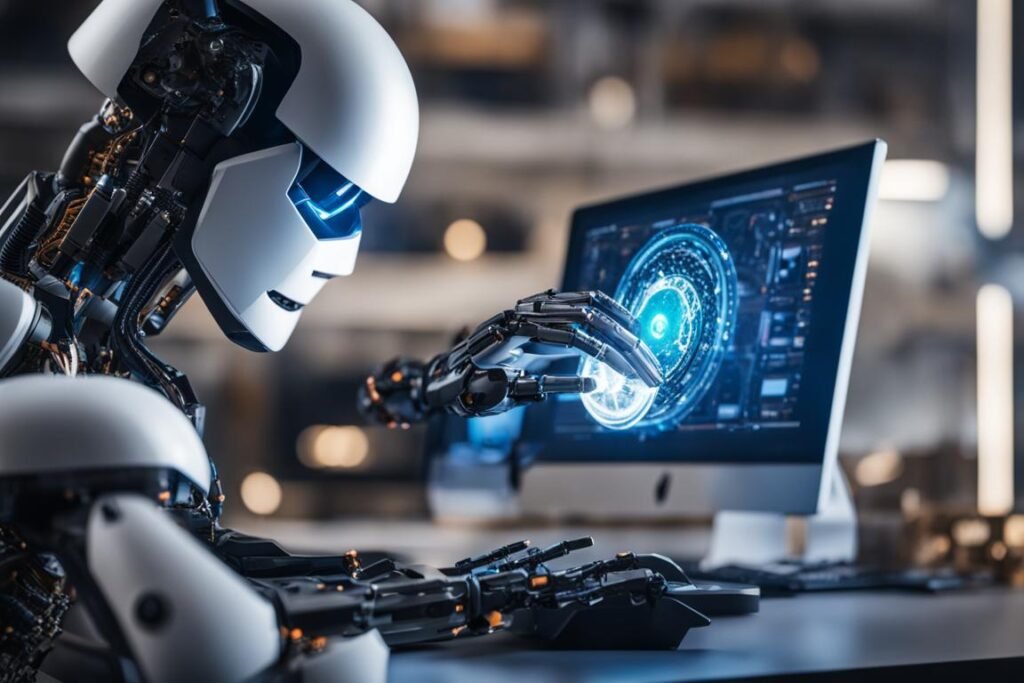
Software Robots and Their Applications
Software robots, also known as virtual robots, are computer programs that perform tasks without human intervention. These robots may not have physical bodies like their hardware counterparts, but they share the same goal of automating processes and tasks. Software robots have found various applications in different industries, revolutionizing the way we work and interact with technology.
In the realm of automation, web crawling is one of the key applications of software robots. These robots can gather data from websites, extract relevant information, and compile it into useful databases. This capability is invaluable for businesses that rely on market research, competitor analysis, or data-driven decision-making. Web crawling software robots enable companies to stay updated with the latest trends and gain a competitive edge in the digital landscape.
Another prominent application of software robots is in the field of chatbots. These virtual agents are designed to interact with users, providing customer support, answering inquiries, or assisting with online transactions. Chatbots use natural language processing algorithms to understand and respond to user queries, creating a seamless and efficient customer experience. By automating customer service interactions, software robots help businesses save time, increase customer satisfaction, and free up human agents for more complex tasks.
| Application | Industry |
|---|---|
| Web Crawlers | Market Research, Competitor Analysis |
| Chatbots | Customer Service, E-commerce |
These examples illustrate how software robots are transforming industries by automating tasks that were once performed manually. As technology continues to advance, we can expect to see even more innovative applications of software robots, driving efficiency, productivity, and enhancing user experiences.
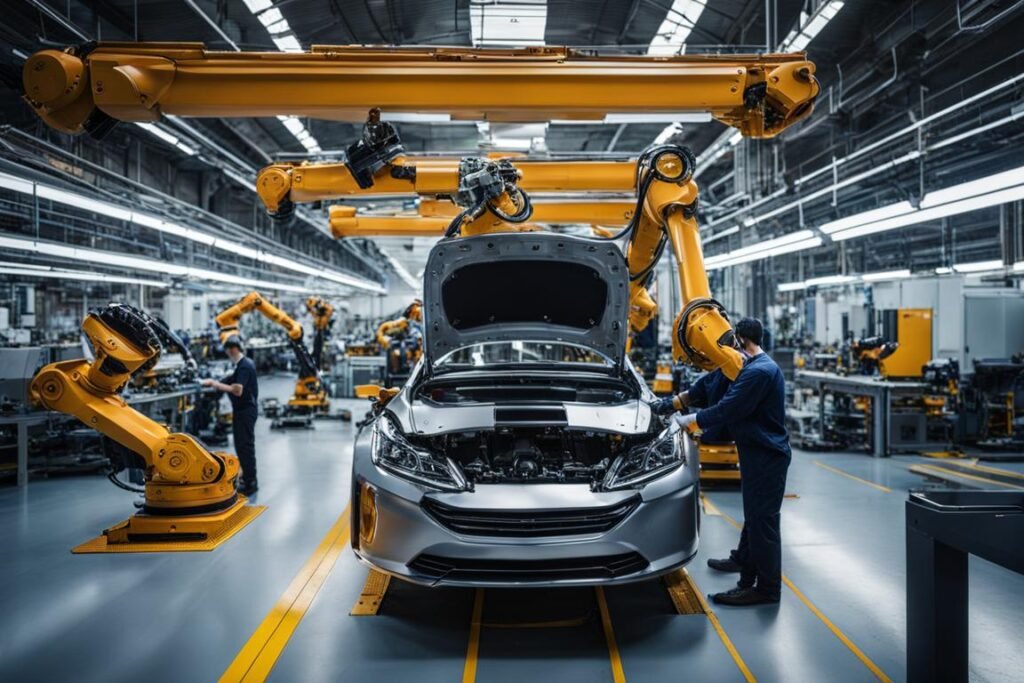
In the coming years, industries will require professionals who can adapt to new technologies and work alongside robots. Skilled technicians will play a crucial role in ensuring the seamless integration of robots into various sectors. These technicians will be responsible for programming robots to perform specific tasks, maintaining their functionality, and troubleshooting any technical issues that may arise. The demand for such skilled technicians will continue to rise as robotics technology becomes more advanced.
Moreover, job opportunities in the robotics field will extend beyond the technical aspects. As robots become more integrated into diverse industries, there will be a need for individuals who can bridge the gap between humans and machines. Roles such as robot interaction designers, robot ethicists, and robot trainers will become increasingly important. These professionals will focus on enhancing human-robot interaction, addressing ethical considerations, and ensuring that robots are effectively utilized for the benefit of society.
Emerging Trends in Robotics Employment
- The demand for robotics technicians is expected to grow significantly, with employment opportunities in manufacturing, healthcare, logistics, and other industries.
- Robotics engineers will be in high demand, designing and developing advanced robotic systems for various applications.
- Robotics programmers will play a crucial role in programming robots to perform specific tasks and optimizing their performance.
- Robotics trainers and educators will be needed to train individuals on how to work collaboratively with robots and utilize their capabilities effectively.
- Robotics technicians specializing in maintenance and repair will be essential for ensuring the efficient and reliable operation of robotic systems.
The future of robotics is not just about the technology itself but also about the individuals who can harness its potential. By acquiring the necessary skills and knowledge in robotics, individuals can position themselves for exciting and rewarding career opportunities. As technology continues to advance, the demand for skilled professionals in the robotics industry will only continue to grow.
Public Perception and Misconceptions about AI and Robotics
Public perception plays a significant role in shaping our understanding of AI and robotics. There are common misconceptions surrounding these technologies, often fueled by fears of massive job losses and complete automation. While it is true that some jobs may be affected by the integration of AI and robotics, the overall impact depends on how we develop and utilize these technologies.
It is important to remember that the purpose of robots and AI is to complement human workers and enhance their capabilities. They are not meant to replace humans entirely. These technologies have the potential to improve productivity, increase efficiency, and create new career paths. By automating repetitive and mundane tasks, robots free up human workers to focus on more complex and creative endeavors.
Education and awareness are key in dispelling misconceptions about AI and robotics. By understanding the benefits and limitations of these technologies, we can better appreciate their potential. Increased productivity, improved safety, and the ability to tackle complex problems are just a few of the positive aspects that AI and robotics bring to various industries. Emphasizing these advantages and highlighting the potential for new opportunities can help shift public perception in a more positive direction.
Convergence of AI and Robotics
Advancements in the field of robotics have led to the exciting convergence of Artificial Intelligence (AI) and robotics. This collaboration between AI and robotics has brought about significant progress and innovation, transforming the way we interact with machines. With the integration of AI, robots are becoming more intelligent, adaptable, and capable of performing complex tasks.
This convergence has paved the way for enhanced collaboration between humans and robots. Human-robot interaction has become more intuitive and seamless, enabling us to work alongside robots in various industries. Through sophisticated sensors, machine learning algorithms, and natural language processing, robots can understand and respond to human commands, making them valuable partners in tasks that require precision and efficiency.
The collaboration between humans and robots also extends to problem-solving. By leveraging the cognitive abilities of AI, robots can analyze vast amounts of data and make informed decisions. This capability is especially beneficial in industries such as healthcare, manufacturing, and business, where complex problems often require quick and accurate solutions.
| Advancements | Collaboration |
|---|---|
| Improved intelligence and adaptability of robots | Seamless human-robot interaction |
| Enhanced problem-solving capabilities | Efficient teamwork between humans and robots |
| Innovative applications in healthcare, manufacturing, and business | Increased productivity and efficiency |
“The convergence of AI and robotics opens up new possibilities for automation, efficiency, and problem-solving. By working hand in hand with intelligent machines, we can achieve tasks that were once unimaginable.”
In conclusion, the convergence of AI and robotics represents a significant milestone in technological advancements. By harnessing the power of AI, robots have become more capable and versatile, enabling them to work collaboratively with humans. This collaboration offers endless opportunities for automation, problem-solving, and increased efficiency in various industries. As technology continues to evolve, we can expect further advancements and exciting applications that will shape our future.
Ethical Considerations and Future Challenges
As we continue to witness advancements in robotics and AI, it is crucial to address the ethical considerations and future challenges that accompany these technologies. One of the primary concerns is security and privacy. With increased automation and data collection, it becomes imperative to ensure the protection of individual data. Technological solutions such as differential privacy and homomorphic encryption can help safeguard personal information while still enabling data analysis and computation for the greater good.
Another significant challenge is job displacement. While robots and AI systems can perform tasks more efficiently and accurately, there is a legitimate concern about the potential loss of jobs. However, it is essential to anticipate future employment trends and provide educational programs that equip individuals with the skills necessary for the new job market. By focusing on upskilling and training, we can minimize the impact of job displacement and create a workforce that can effectively collaborate with robots and AI technologies.
When navigating the future of robotics and AI, it is vital to strike a balance between the benefits and risks these technologies pose. Ethical considerations should always be at the forefront of their development and implementation. By continually evaluating and adapting to the evolving landscape, we can ensure that robotics and AI technologies are harnessed responsibly and contribute positively to society.
| Ethical Considerations | Future Challenges |
|---|---|
| Security | Job Displacement |
| Privacy |
“With great power comes great responsibility.” – Voltaire
The Potential of Robotics and AI in Various Fields
Robotics and AI are revolutionizing various fields, offering immense potential for innovation and advancements. Let’s explore how these technologies are shaping the future in manufacturing, medicine, business, and improving the quality of life through problem-solving.
Manufacturing:
In the manufacturing industry, robots are transforming production processes. They improve efficiency, lower costs, and reduce risks for human workers. With increased precision and speed, robots can handle complex tasks, leading to higher productivity. Moreover, they offer flexibility in manufacturing processes, adapting to different product requirements. By automating repetitive tasks, robots free up human workers to focus on more critical and creative aspects of production, driving overall growth and competitiveness.
Medicine:
In the field of medicine, robotics and AI play a vital role in improving patient care and outcomes. Surgical robots assist surgeons in performing minimally invasive procedures with enhanced precision and control. They enable smaller incisions, reducing post-operative pain and accelerating recovery. Additionally, robots assist in delivering medications and supplies within hospitals, optimizing logistics and patient safety. AI-powered systems analyze vast amounts of medical data, aiding in disease diagnosis, treatment planning, and drug discovery. The integration of robotics and AI in medicine aims to enhance healthcare delivery, improve patient experiences, and save lives.
Business:
Robotics and AI are reshaping the business landscape by automating tasks and processes, driving efficiency and cost savings. In customer service, chatbots provide immediate assistance, addressing customer queries and resolving issues 24/7. These virtual agents improve customer satisfaction while reducing the workload on human agents. In data analysis, AI algorithms and machine learning enable businesses to make data-driven decisions, identify patterns, and predict future trends. Moreover, robots are transforming logistics and supply chain management, optimizing inventory control, and streamlining operations. By embracing robotics and AI, businesses gain a competitive edge in today’s fast-paced and data-centric market.
Quality of Life and Problem Solving:
Robotics and AI have the potential to enhance the quality of life by addressing various societal challenges. Personalized learning systems powered by AI algorithms provide tailored educational experiences, catering to individual needs and learning styles. With robotic assistance in household chores, individuals can save time and effort, leading to a better work-life balance. In problem-solving, robotics and AI contribute to advancements in areas such as environmental monitoring, disaster response, and urban planning. These technologies offer solutions to complex problems, improving overall sustainability and making our communities safer and more resilient.
| Field | Potential |
|---|---|
| Manufacturing | Improved efficiency, cost savings, and risk reduction through automation. |
| Medicine | Enhanced surgical precision, personalized care, and accelerated drug discovery. |
| Business | Automation of tasks, improved customer service, and data-driven decision-making. |
| Quality of Life and Problem Solving | Personalized learning, robotic assistance in household chores, and innovative solutions to societal challenges. |
With ongoing advancements and integration of robotics and AI, the potential for these technologies in various fields is vast. From revolutionizing manufacturing processes to enhancing healthcare delivery, driving business efficiencies, and improving the overall quality of life, the possibilities are endless. Embracing these technologies and their applications will shape a future where humans and machines collaborate to create a more advanced, efficient, and sustainable world.

Conclusion
In conclusion, the future of robotics and AI holds tremendous opportunities and challenges. These technologies have the potential to revolutionize industries, improve our quality of life, and create new career paths. While there are concerns about job displacement and ethical considerations, it is essential to embrace collaboration between humans and machines.
By understanding the limitations of robotics and AI, we can prepare for the changing job market and equip ourselves with the necessary skills. The convergence of AI and robotics is driving significant advancements, opening up new possibilities for human-robot interaction, problem-solving, and automation.
As we move forward, it is crucial to balance the benefits and risks of these technologies. By embracing innovation, embracing collaboration, and staying informed about the latest advancements, we can navigate a future enriched by robotics and AI with confidence and optimism.
FAQ
What is robotics?
Robotics is an engineering branch that focuses on the design, construction, and operation of robots, which are automatically operated machines that can perform actions independently.
What is the role of artificial intelligence (AI) in robotics?
AI technology enables robots to mimic human behavior and enhances their capabilities, including computer vision, manipulation, motion control, natural language processing, and real-world perception.
What are the advantages of robots in various industries?
Robots offer advantages such as working in hazardous environments, being cost-effective, increasing productivity, and providing better quality assurance by eliminating human errors.
What are software robots?
Software robots, also known as virtual robots, are computer programs that perform tasks without human intervention, and they contribute to automation and efficiency in digital environments.
What is the future of robotics and are there job opportunities?
The future of robotics looks promising, and while there may be job displacement, there will be an increased demand for skilled technicians to program, maintain, and repair robots.
What are common misconceptions about AI and robotics?
Common misconceptions include fears of massive job losses and complete automation. However, AI and robotics are meant to complement human workers, enhance productivity, safety, and provide new career paths.
How do AI and robotics converge?
AI and robotics collaborate to drive advancements in the field, enhancing human-robot interaction, automation, and problem-solving.
What are the ethical considerations and challenges of robotics and AI?
Ethical considerations include security, privacy, and job displacement. Constant evaluation and adaptation are needed to balance the benefits and risks.
What are the potential applications of robotics and AI in various fields?
Robotics and AI can improve efficiency, lower costs, enhance healthcare outcomes, automate tasks, and solve complex problems in sectors such as manufacturing, medicine, and business.
What is the potential of robotics and AI in shaping the future?
Robotics and AI have limitless potential to revolutionize industries, improve the quality of life, and create new career opportunities through innovation and growth.