
Robotic Vehicles, including autonomous robots and self-driving cars, are set to revolutionize the transportation industry in the United States. These vehicles incorporate advanced technologies such as artificial intelligence and intelligent transportation systems to navigate and operate without the need for human intervention. This article explores the transformative impact of robotic vehicles on transportation in the US and delves into the latest trends and developments in the industry.
Key Takeaways:
- Robotic Vehicles, such as autonomous robots and self-driving cars, are poised to revolutionize transportation in the US.
- These vehicles utilize advanced technologies like artificial intelligence and intelligent transportation systems.
- Robotic vehicles can navigate and operate without human intervention, offering transformative benefits.
- The industry is experiencing rapid developments and advancements in the field of robotic automation.
- The future of transportation in the US will be shaped by the integration of robotic vehicles.
The Rise of Collaborative Robots (Cobots)
Collaborative robots, also known as cobots, are revolutionizing the field of robotics by enabling seamless human-robot interaction and cooperation. Unlike traditional industrial robots, cobots are designed to work alongside humans, enhancing productivity and efficiency in various industries.
One of the key features of cobots is their advanced sensors, which allow them to detect and respond to human presence and movement. These sensors enable cobots to operate safely in close proximity to humans, minimizing the risk of accidents and injuries. With their ability to work alongside human operators, cobots are transforming industries such as manufacturing, healthcare, logistics, and agriculture.
Cobots are equipped with advanced programming and machine learning capabilities, making them adaptable to different tasks and environments. They can learn from their interactions with humans and continuously improve their performance. This flexibility makes cobots highly versatile and suitable for a wide range of applications.
“Collaborative robots are enhancing productivity and safety in industries such as manufacturing, healthcare, and logistics, as they work alongside human operators to perform various tasks.”
Applications of Collaborative Robots
The applications of collaborative robots are diverse and expanding rapidly. In manufacturing, cobots can assist in assembly line tasks, such as picking and placing components, reducing manual labor and improving efficiency. In healthcare, cobots can support healthcare professionals by performing repetitive tasks, such as medication dispensing and patient monitoring, allowing them to focus on more complex and critical activities.
In logistics, cobots can assist in warehouse operations, including order picking and inventory management, enabling faster and more accurate fulfillment processes. In agriculture, cobots can be used for tasks such as planting, harvesting, and crop monitoring, optimizing agricultural processes and increasing productivity.
Advantages of Collaborative Robots
The rise of cobots offers several advantages for businesses and industries. By working alongside human operators, cobots can increase productivity and efficiency, as they can perform repetitive tasks with consistency and accuracy. This allows human workers to focus on more complex and value-added activities, improving overall operational performance.
Collaborative robots also contribute to improved workplace safety. With their advanced sensors and safety features, cobots can operate in close proximity to humans without causing harm. They can detect human presence and respond accordingly, reducing the risk of accidents and injuries in the workplace.
Furthermore, the integration of cobots into existing workflows is relatively seamless. Cobots can be easily programmed and reprogrammed to adapt to changing tasks and requirements, making them highly flexible and cost-effective solutions for businesses.
Conclusion
The rise of collaborative robots, or cobots, is transforming the field of robotics by revolutionizing the way humans and robots interact and collaborate. With their advanced sensors, adaptability, and machine learning capabilities, cobots are finding applications in various industries, enhancing productivity, efficiency, and workplace safety. As the technology continues to advance, cobots are poised to shape the future of work, making businesses more agile and competitive in a rapidly evolving world.
Artificial Intelligence and Machine Learning Integration
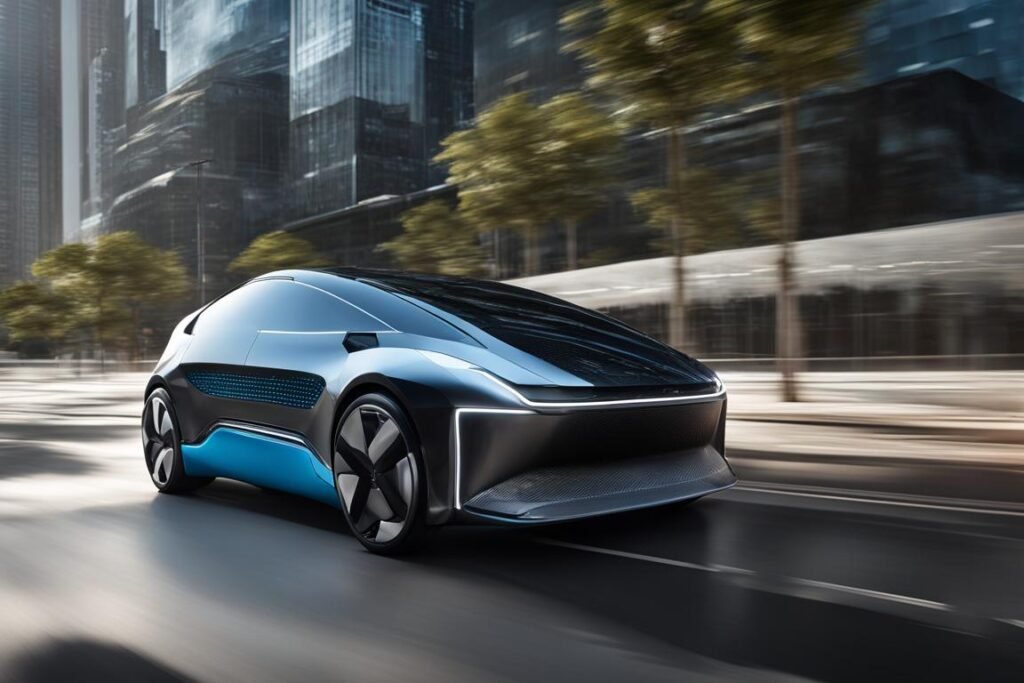
Artificial intelligence (AI) and machine learning (ML) technologies have revolutionized the capabilities of robotic vehicles. These advanced technologies empower robots to learn from their experiences, adapt to new situations, and make autonomous decisions. By integrating AI and ML algorithms, robotic vehicles can enhance their perception, problem-solving abilities, and even engage in natural language processing.
One of the key benefits of AI and ML integration is improved perception. Robotic vehicles equipped with AI algorithms can analyze and interpret sensor data in real-time, enabling them to accurately perceive their surroundings. This enhanced perception allows robots to navigate complex environments, avoid obstacles, and make informed decisions to ensure the safety and efficiency of their operations.
Another significant advantage of AI and ML integration is enhanced problem-solving capabilities. These technologies enable robots to analyze vast amounts of data and identify patterns that humans may not recognize. By leveraging this computational power, robotic vehicles can quickly assess situations, predict outcomes, and determine the optimal course of action, leading to more efficient and effective problem-solving.
Advancements in Natural Language Processing
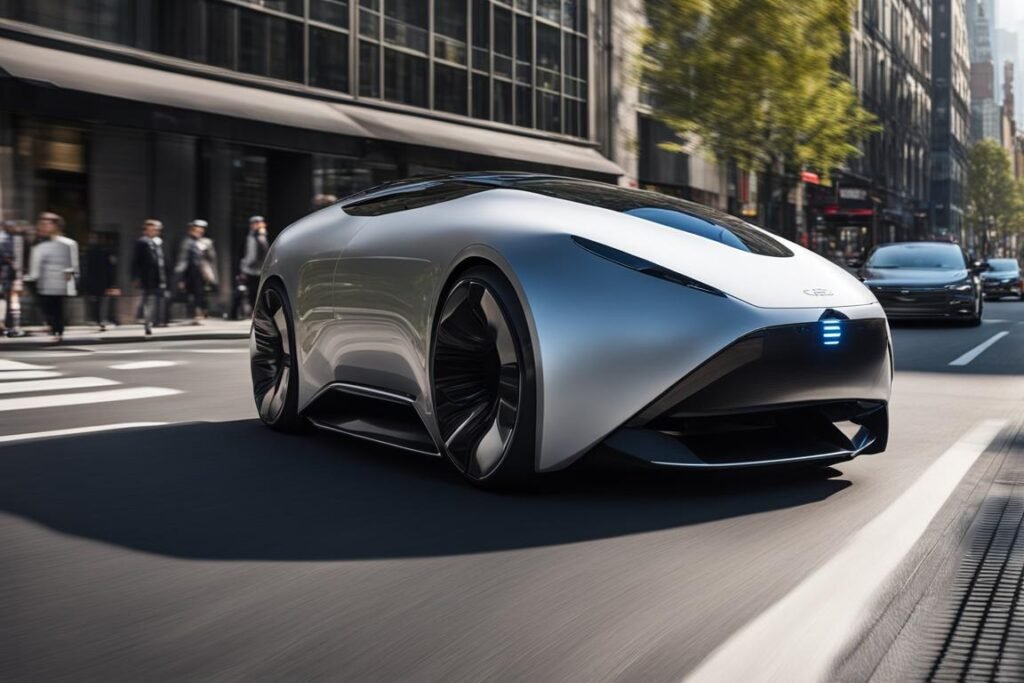
“The integration of AI and ML in robotic vehicles has also led to significant advancements in natural language processing (NLP). These vehicles can understand and interpret human speech, allowing for seamless communication between humans and robots. This capability is particularly valuable in applications such as autonomous taxis or delivery robots that interact with customers and need to understand their instructions or address their concerns.”
Overall, the integration of AI and ML in robotic vehicles has unlocked immense potential in terms of perception, problem-solving, and natural language processing. As these technologies continue to advance, we can expect even more sophisticated and capable robotic vehicles that will revolutionize transportation and other industries.
Robotic Process Automation (RPA)
Robotic Process Automation (RPA) is a game-changing technology that is revolutionizing various industries by automating repetitive and rule-based tasks. RPA software robots, or bots, are designed to mimic human actions and interact with digital systems to perform tasks such as data entry, document processing, and even customer service. By leveraging RPA, organizations can achieve significant efficiency gains, cost savings, and improved accuracy in their operations.
RPA eliminates the need for manual intervention in mundane and time-consuming tasks, enabling employees to focus on more strategic and value-added activities. These bots can work 24/7 without fatigue or errors, ensuring consistent and reliable performance. With RPA, organizations can streamline their workflows, reduce turnaround times, and enhance overall productivity.
The implementation of RPA not only brings efficiency but also has a positive impact on the bottom line. By automating tasks that were previously done manually, organizations can significantly reduce operational costs. RPA eliminates the need for additional manpower and reduces the risk of human errors, leading to cost savings and improved accuracy. Furthermore, RPA enables organizations to scale their operations quickly and efficiently, without the need for extensive training or hiring processes.
Benefits of Robotic Process Automation:
- Increased efficiency and productivity
- Cost savings through reduced manual labor
- Improved accuracy and reduced errors
- Enhanced scalability and flexibility
- Streamlined workflows and reduced turnaround times
As organizations continue to embrace digital transformation, RPA is becoming an essential tool in their automation strategies. By leveraging this technology, businesses can unlock new levels of efficiency, cost savings, and operational excellence.
| Industry | Automation Use Cases |
|---|---|
| Finance | Automated invoice processing, data entry, financial reporting |
| Human Resources | Employee onboarding, payroll processing, leave management |
| Customer Service | Automated email responses, chatbot interactions, complaint resolution |
| Supply Chain and Logistics | Order processing, inventory management, shipment tracking |
| Healthcare | Claims processing, appointment scheduling, medical record management |
Robotics in Healthcare
Robotics is revolutionizing the healthcare sector, enhancing patient care, and transforming medical procedures. An array of robotic advancements is improving patient outcomes, minimally invasive surgeries, and expanding access to healthcare services. Let’s explore some of the remarkable applications of robotics in healthcare.

1. Surgical Robots
Surgical robots are assisting surgeons with precise and dexterous movements during complex procedures. These robots provide surgeons with enhanced visualization, improved accuracy, and the ability to perform minimally invasive surgeries. By utilizing robotic assistance, surgeons can achieve better outcomes, reduce patient recovery time, and minimize the risk of complications.
2. Robotic Exoskeletons
Robotic exoskeletons are aiding in rehabilitation and mobility enhancement for patients with spinal cord injuries or neurological disorders. These wearable devices provide support and assist individuals in regaining their mobility and independence. Robotic exoskeletons offer personalized therapy options, helping patients regain strength, improve muscle control, and enhance their overall quality of life.
3. Telemedicine Robots
Telemedicine robots enable remote patient care, especially in situations that require physical distancing or when access to healthcare facilities is limited. These robots can be equipped with cameras, sensors, and interactive screens, allowing healthcare providers to remotely examine patients, provide consultations, and monitor vital signs. Telemedicine robots are revolutionizing healthcare delivery, ensuring patients receive timely and quality care from the comfort of their homes.
| Robotics in Healthcare Applications | Benefits |
|---|---|
| Surgical Robots | Enhanced precision, minimally invasive surgery, reduced risk of complications |
| Robotic Exoskeletons | Rehabilitation support, improved mobility, enhanced quality of life |
| Telemedicine Robots | Remote patient care, increased access, timely consultations |
In conclusion, robotics is transforming healthcare by revolutionizing surgical procedures, providing rehabilitation support, and enabling remote patient care. The integration of robotics in healthcare is leading to improved patient outcomes, enhanced quality of life, and increased accessibility to healthcare services.
Autonomous Vehicles and Drones
Autonomous vehicles, also known as self-driving cars, are revolutionizing the transportation industry with their ability to navigate and operate without human intervention. These vehicles rely on advanced sensors, cameras, and artificial intelligence algorithms to analyze their surroundings, make decisions, and navigate through traffic. The primary goal of autonomous vehicles is to improve transportation efficiency and reduce traffic congestion. By eliminating human errors and optimizing route planning, autonomous vehicles can help streamline traffic flow and shorten travel times.
Drones, on the other hand, are unmanned aerial vehicles that have gained significant popularity in recent years. They are being used in a variety of applications, including delivery services, environmental monitoring, photography, and even search and rescue operations. Drones equipped with advanced cameras and sensors can capture high-definition images and collect valuable data from inaccessible areas. They offer a cost-effective and efficient solution for tasks such as aerial inspections, surveying vast landscapes, and delivering packages to remote locations.
Both autonomous vehicles and drones have the potential to transform transportation by increasing efficiency, reducing costs, and improving safety. However, there are still significant challenges and considerations that need to be addressed. One of the key challenges is ensuring the safe operation of autonomous vehicles and drones. Safety regulations and guidelines must be established to minimize the risk of accidents and ensure the protection of pedestrians and other vehicles on the road.
Table: Comparing Autonomous Vehicles and Drones
| Feature | Autonomous Vehicles | Drones |
|---|---|---|
| Primary Functionality | Transportation of goods and people | Aerial surveillance, delivery, and data collection |
| Operating Environment | Roads and highways | Air |
| Benefits | Reduced traffic congestion, improved transportation efficiency, increased safety | Cost-effective, versatile, access to remote areas, rapid data collection |
| Challenges | Safety regulations, infrastructure development, public acceptance | Airspace management, privacy concerns, limited battery life |
In conclusion, autonomous vehicles and drones are poised to revolutionize transportation in terms of efficiency, safety, and accessibility. The widespread adoption of self-driving cars can lead to reduced traffic congestion and shorter travel times, while drones offer innovative solutions for various industries and tasks. However, addressing the challenges and ensuring the safe and responsible integration of these technologies is crucial for their successful implementation. With careful consideration and regulatory frameworks in place, the future of autonomous vehicles and drones looks promising.

Ethical and Regulatory Considerations
As the field of robotics and automation continues to advance, it brings to the forefront a range of ethical and regulatory considerations that need careful examination. The rapid integration of robotic vehicles in various industries raises concerns about job displacement and the impact on the workforce. While these technologies offer numerous benefits, such as improved efficiency and productivity, it is crucial to address the potential consequences for workers whose jobs may be replaced by automation.
“The increasing use of robotic automation in industries has raised important questions surrounding job displacement and the future of work.”
Another key aspect that requires attention is data privacy. Robotic vehicles are equipped with advanced sensors and AI algorithms that collect and analyze vast amounts of data. It is essential to establish robust data protection measures to safeguard individuals’ privacy and prevent unauthorized access to sensitive information.
Furthermore, ensuring the safety of robotic vehicles and their operation is of paramount importance. Rigorous safety verification processes and regulations need to be put in place to minimize the risk of accidents and ensure the reliable performance of these autonomous systems. This includes evaluating the performance of sensors, AI algorithms, and overall system behavior to meet stringent safety standards.
Table: Ethical and Regulatory Considerations
| Ethical Considerations | Regulatory Considerations |
|---|---|
| Job displacement and the future of work | Data privacy and protection |
| Social implications and economic inequality | Safety verification and regulations |
| Behavior and decision-making of autonomous systems | Ethical guidelines and standards |
Addressing these ethical and regulatory considerations is crucial for the responsible development and widespread adoption of robotic vehicles. Governments, organizations, and industry stakeholders must work together to establish guidelines, standards, and regulations that strike a balance between technological advancements and societal well-being. By doing so, we can harness the transformative potential of robotic vehicles while mitigating potential risks and ensuring a future that benefits all.
UHI Group’s Revolutionary Vehicle Assembly Technology
The UHI Group, a renowned automotive manufacturer, has introduced a groundbreaking vehicle assembly technology at their state-of-the-art headquarters facility. This innovative technology combines adaptable robotics, advanced inventory management, and sustainability practices to streamline the vehicle assembly process. By leveraging the power of robotics, UHI Group is revolutionizing the manufacturing industry and paving the way for more efficient and eco-friendly production.
At the core of UHI Group’s assembly technology is the integration of adaptable robotics. These robots work alongside skilled workers, enhancing their capabilities and ensuring precision and efficiency in the assembly line. By automating repetitive and labor-intensive tasks, the adaptable robotics technology not only increases productivity but also allows workers to focus on more complex and value-added operations.
Furthermore, UHI Group’s advanced inventory management system plays a crucial role in optimizing the assembly process. By leveraging cutting-edge technologies such as real-time tracking and predictive analytics, the company ensures that the right parts and components are available at the right time. This minimizes downtime, reduces waste, and contributes to overall cost savings.
UHI Group’s commitment to sustainability is evident throughout their facility. Energy-efficient practices, such as the use of renewable energy sources and energy-saving technologies, are integrated into every aspect of the assembly process. Additionally, the company has implemented recycling programs to minimize waste and promote a circular economy. By prioritizing sustainability, UHI Group sets a new industry standard for environmentally conscious manufacturing.
Enhancing Efficiency and Driving Innovation
The introduction of UHI Group’s revolutionary vehicle assembly technology marks a significant milestone in the automotive industry. Through the integration of adaptable robotics, advanced inventory management, and sustainability practices, UHI Group is enhancing efficiency, driving innovation, and setting a new benchmark for future manufacturing processes.
| Benefits of UHI Group’s Vehicle Assembly Technology: | Industry Impact: |
|---|---|
| Increased productivity through automation of repetitive tasks | Transforming the manufacturing industry |
| Enhanced precision and efficiency in the assembly process | Pioneering eco-friendly production practices |
| Optimized inventory management for reduced downtime | Setting new industry standards for sustainability |
| Cost savings through waste reduction and predictive analytics | Driving innovation and inspiring future manufacturing processes |
Perrone Robotics’ Breakthrough in Autonomous Vehicle Maneuvers
Perrone Robotics, a leading player in the field of autonomous mobility, has made a significant breakthrough with their integration of General Pre-trained Transformer (GPT) AI technology into their General Purpose Robotics Operating System, MAX. This integration has unlocked a whole new level of capabilities for autonomous vehicles, enabling them to evaluate an immense number of possible maneuvers. The result is improved safety and adaptability, paving the way for enhanced autonomous vehicle operations.
The General Pre-trained Transformer AI technology utilized by Perrone Robotics empowers autonomous vehicles to make informed decisions based on a vast amount of data. By analyzing various scenarios and predicting potential outcomes, these vehicles can navigate complex road conditions with greater precision and reliability. This breakthrough opens up possibilities for a wide range of applications, from urban commuting to long-haul logistics, where autonomous vehicles can operate more efficiently and effectively.
The integration of GPT AI technology into the MAX system marks a significant advancement in the development of autonomous vehicle maneuvers. With the ability to evaluate a massive number of potential maneuvers, our vehicles can react quickly and intelligently to changing road conditions, ensuring the highest level of safety and performance. We are proud to be at the forefront of autonomous mobility innovation, driving the future of transportation.
Perrone Robotics’ breakthrough in autonomous vehicle maneuvers has far-reaching implications for the transportation industry. As this technology continues to evolve, we can expect to see autonomous vehicles operating seamlessly and safely alongside human-driven vehicles. From reducing traffic congestion to improving fuel efficiency, the integration of GPT AI technology brings us one step closer to a future where robotic vehicles play a vital role in our everyday lives.
In conclusion, Perrone Robotics’ groundbreaking integration of General Pre-trained Transformer AI technology into their General Purpose Robotics Operating System represents a major milestone in the advancement of autonomous vehicle maneuvers. The ability to evaluate an extensive range of maneuvers enhances safety, adaptability, and efficiency in autonomous vehicle operations. This breakthrough technology paves the way for a future where autonomous vehicles can navigate complex road conditions with precision and reliability, transforming the transportation industry as we know it.
BOLD Awards 2024: Recognizing Bold Robotic Vehicle Projects
Robotic vehicles have been making waves in various industries, pushing the boundaries of innovation and engineering. The BOLD Awards, an international recognition program, aims to honor exceptional projects in the field of robotics, focusing on their impact and value creation. These awards provide a platform for organizations and individuals to showcase their groundbreaking advancements in autonomous vehicles and other robotic technologies.
“The BOLD Awards celebrate the relentless pursuit of excellence in robotics projects, acknowledging the visionaries who are shaping the future of transportation,” says James Roberts, founder of the BOLD Awards. “We are excited to recognize and honor these bold and transformative initiatives that are driving the industry forward.”
The BOLD Awards 2024 will bring together leading experts, researchers, and industry professionals to evaluate and acknowledge the most innovative and impactful projects. Through a rigorous selection process, the awards aim to highlight projects that demonstrate exceptional engineering expertise, cutting-edge technologies, and a forward-thinking approach.
Categories in the BOLD Awards include Best Autonomous Vehicle Project, Best Robotics Innovation, Best Sustainable Mobility Solution, and many more. The winners will not only receive recognition but also gain access to a global network of thought leaders and potential collaborators, fostering further growth and development in the field of robotics.
| Category | Description |
|---|---|
| Best Autonomous Vehicle Project | Recognizing the most groundbreaking project in the field of autonomous vehicles, showcasing cutting-edge technologies and advancements in self-driving cars and trucks. |
| Best Robotics Innovation | Highlighting the most innovative robotic technology or concept that has the potential to revolutionize industries and transform daily life. |
| Best Sustainable Mobility Solution | Acknowledging projects that contribute to sustainable transportation, focusing on reduced emissions, energy efficiency, and environmental impact. |
| Best Human-Robot Interaction | Recognizing projects that excel in creating seamless and intuitive interactions between humans and robots, enhancing collaboration and productivity. |
The BOLD Awards celebrate the pioneers who are shaping the future of transportation through their bold and visionary robotic vehicle projects. By recognizing and honoring their achievements, the awards inspire further innovation, pushing the boundaries of what is possible in the realm of robotics.
Conclusion
As we look to the future of transportation, one thing is clear: robotic vehicles are poised to revolutionize the way we move. With advancements in technology such as artificial intelligence, collaborative robots, and autonomous systems, the transportation industry is experiencing an unprecedented wave of innovation.
Robotic vehicles are not only driving efficiency but also paving the way for a more sustainable future. These vehicles are reducing traffic congestion, improving transportation efficiency, and minimizing the carbon footprint associated with traditional modes of transportation.
From healthcare and manufacturing to logistics and everyday commuting, robotic vehicles are making their mark across various sectors. They are transforming the way surgeries are performed, optimizing manufacturing processes, and enabling the delivery of goods with unprecedented speed and accuracy.
As we embrace this exciting journey towards a robotic future, it is crucial to stay informed and be part of the transformative impact that robotic vehicles will have on our lives. The future of transportation is here, and it is driven by innovation, efficiency, and sustainability.
FAQ
What are robotic vehicles?
Robotic vehicles are vehicles that incorporate advanced technologies such as artificial intelligence and intelligent transportation systems to navigate and operate without the need for human intervention.
What are collaborative robots (Cobots)?
Collaborative robots, also known as Cobots, are robots designed to work alongside humans, enhancing human-robot interaction and collaboration in various industries.
How do artificial intelligence and machine learning integrate with robotic vehicles?
Artificial intelligence and machine learning technologies enable robotic vehicles to learn from experiences, adapt to new situations, and make autonomous decisions, enhancing their perception and problem-solving abilities.
What is Robotic Process Automation (RPA)?
Robotic Process Automation is a technology that automates repetitive and rule-based tasks in industries such as finance, HR, and customer service, improving efficiency and cost savings.
How are robotics used in healthcare?
Robotics in healthcare assist with surgical procedures, rehabilitation, mobility enhancement, and remote patient care, leading to improved patient outcomes, minimally invasive surgeries, and expanded access to healthcare services.
What are autonomous vehicles and drones?
Autonomous vehicles, including self-driving cars and trucks, rely on sensors and AI algorithms to navigate, while drones are used in various applications such as delivery services and environmental monitoring, contributing to safer roads and increased transportation efficiency.
What are the ethical and regulatory considerations surrounding robotics?
Ethical considerations include concerns about job displacement, data privacy, and the behavior of robots, while regulatory considerations aim to ensure safety and mitigate potential risks associated with robotics and automation.
What is UHI Group’s vehicle assembly technology?
UHI Group has introduced adaptable robotics technology in their vehicle assembly process, working alongside skilled workers to ensure precision and efficiency, while incorporating advanced techniques such as inventory management and 3D scanning technology.
What is Perrone Robotics’ breakthrough in autonomous vehicle maneuvers?
Perrone Robotics has integrated General Pre-trained Transformer (GPT) AI technology into their General Purpose Robotics Operating System, MAX, enhancing the capabilities of autonomous vehicles in evaluating possible maneuvers for improved safety and adaptability.
What are the BOLD Awards?
The BOLD Awards is an international recognition program that celebrates excellence in robotics projects, highlighting innovation, engineering, and value creation in the field of autonomous vehicles.
What is the future of transportation with robotic vehicles?
Robotic vehicles are set to revolutionize transportation in the US, with advancements in technology leading to innovation, efficiency, and sustainability in various sectors, shaping the future of transportation.